 PayMyDine
Profiles
Keep useful guest information together so the relationship can become more contextual.
Connect visits, loyalty, feedback and offers where guests have given consent.
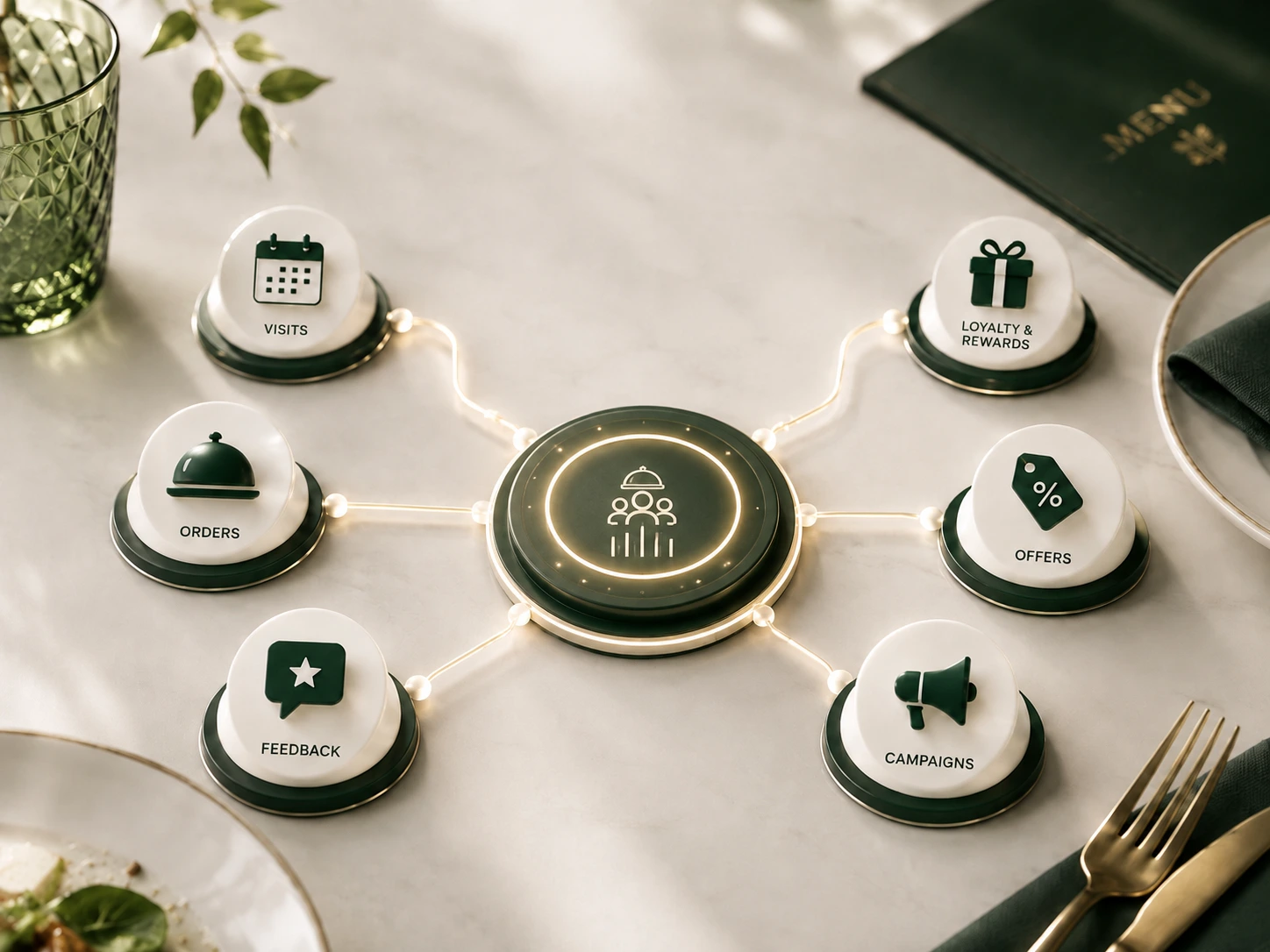
Keep useful guest information together so the relationship can become more contextual.
Support repeat visits with a clearer view of guest engagement.
Use relevant offers to support stronger guest relationships.
Connect guest context with campaigns built around the restaurant audience.
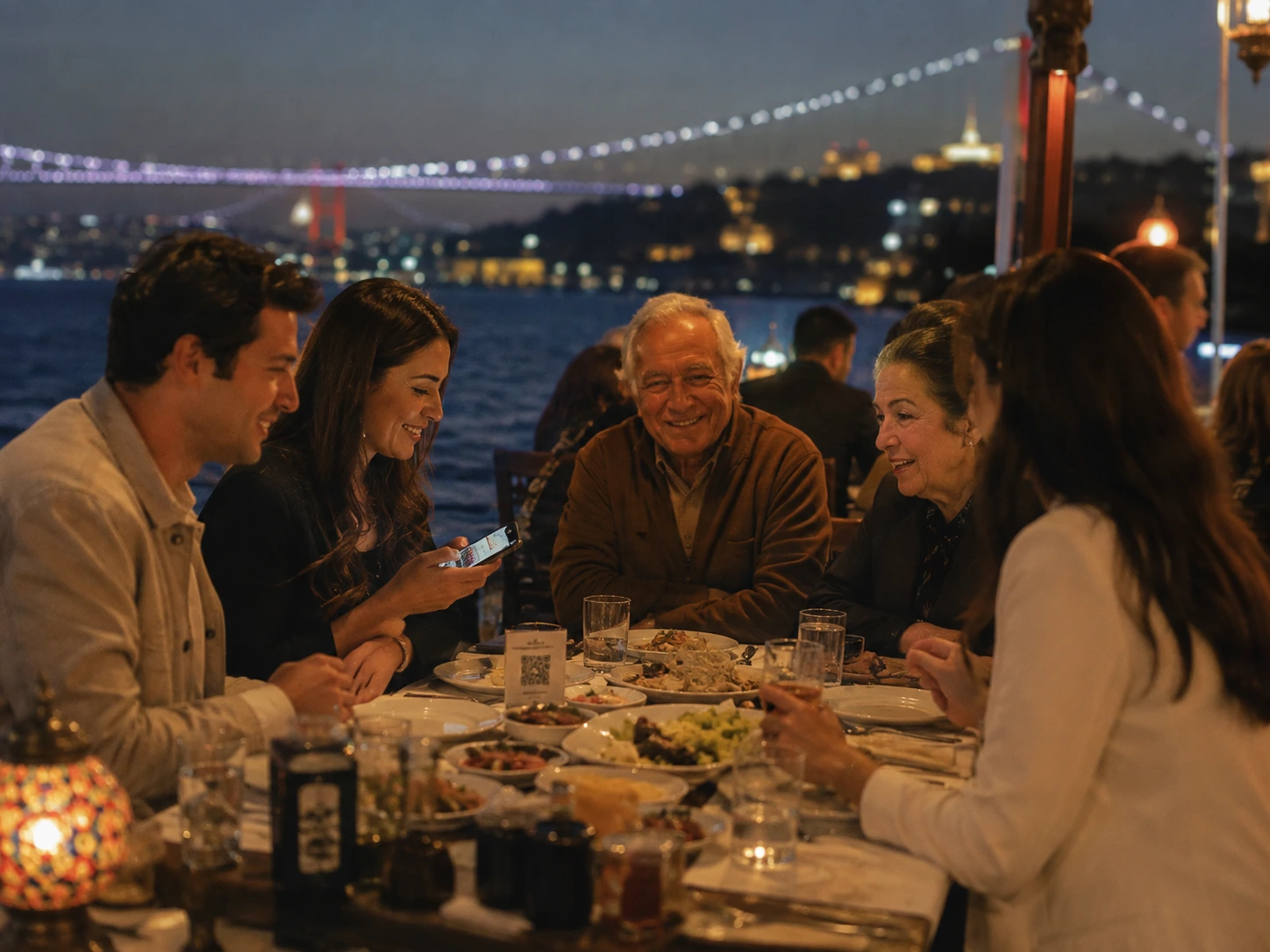
Connect visits, orders, preferences and loyalty activity to understand the relationship beyond one table or transaction.
See the 5-step operating flow
Combine feedback, offer response and visit frequency to choose whether the next action is service recovery, loyalty or a relevant campaign.
See the 5-step operating flowGuest growth depends on consent and clean data.
Profiles, loyalty, offers, campaigns, feedback and retention form the current guest-growth scope.
Guest, service staff, management and marketing or ownership use different parts of the relationship.
Identify, understand, segment, engage and measure create a practical guest-growth loop.
Visit, order and feedback context can contribute to one profile where identity and consent allow it.
Connect visits to useful, relevant follow-up.
Capture the available identity, visit or table context using the configured guest journey and consent rules.
Connect orders, offers, loyalty activity or feedback to the relationship where the data is available and appropriate.
Group guests by relevant behaviour or relationship criteria instead of sending the same message to everyone.
Use the configured loyalty, offer or campaign tools around a defined audience and objective.
Review redemption, feedback, repeat visits or other agreed outcomes against the original audience and period.
Service and marketing share guest context.
Receives a relevant loyalty, offer, feedback or ordering experience through the configured touchpoint.
Uses appropriate guest context to support service without exposing unnecessary profile or campaign administration.
Reviews feedback themes, service issues and campaign effects alongside the restaurant operation.
Defines segments, offers, campaigns and retention measures based on available guest and visit data.
Measure engagement against a real baseline.
Measure the share of eligible visits connected to a usable guest identity under the configured consent model.
Compare guests who return within an agreed time window using a consistent identity and visit definition.
Track redemptions against the eligible audience and campaign period rather than total restaurant traffic.
Measure completed feedback requests and review themes against the visits or audiences invited to respond.
Make data use clear and auditable.
The exact answer can depend on the restaurant setup, selected modules and connected systems.
No. The payment product covers the transaction journey; this product area focuses on profiles, loyalty, campaigns, feedback and retention.
No. Profile creation and identification depend on the configured journey, guest choice and applicable consent rules.
Yes, where identity, order data, permissions and the selected guest-growth modules make that context available.
No. Campaign and retention performance must be measured against a defined audience, baseline and comparison period.
Profiles can connect visit history, order preferences, loyalty activity, campaign response and feedback so the next message has a clear reason.
We can walk through profiles, loyalty, offers, campaigns, feedback and the guest signals that can support retention.