 PayMyDine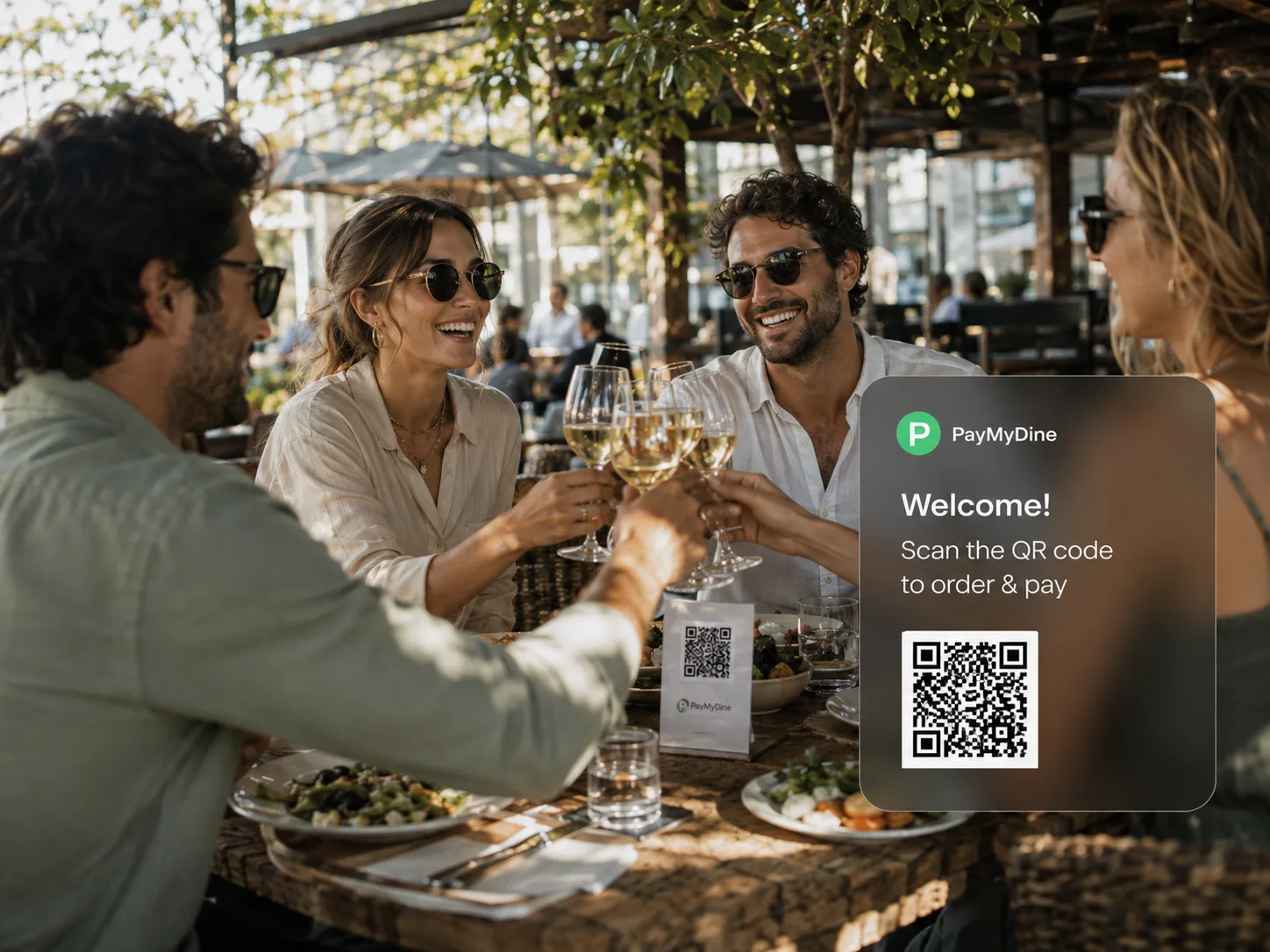
4 guest actions
Scan, browse, order and pay without losing the table context.
A table QR can open the mobile menu, keep the table attached to the order, support service requests and continue into checkout.
Guests order and pay. Teams receive the next task. Everything stays connected.
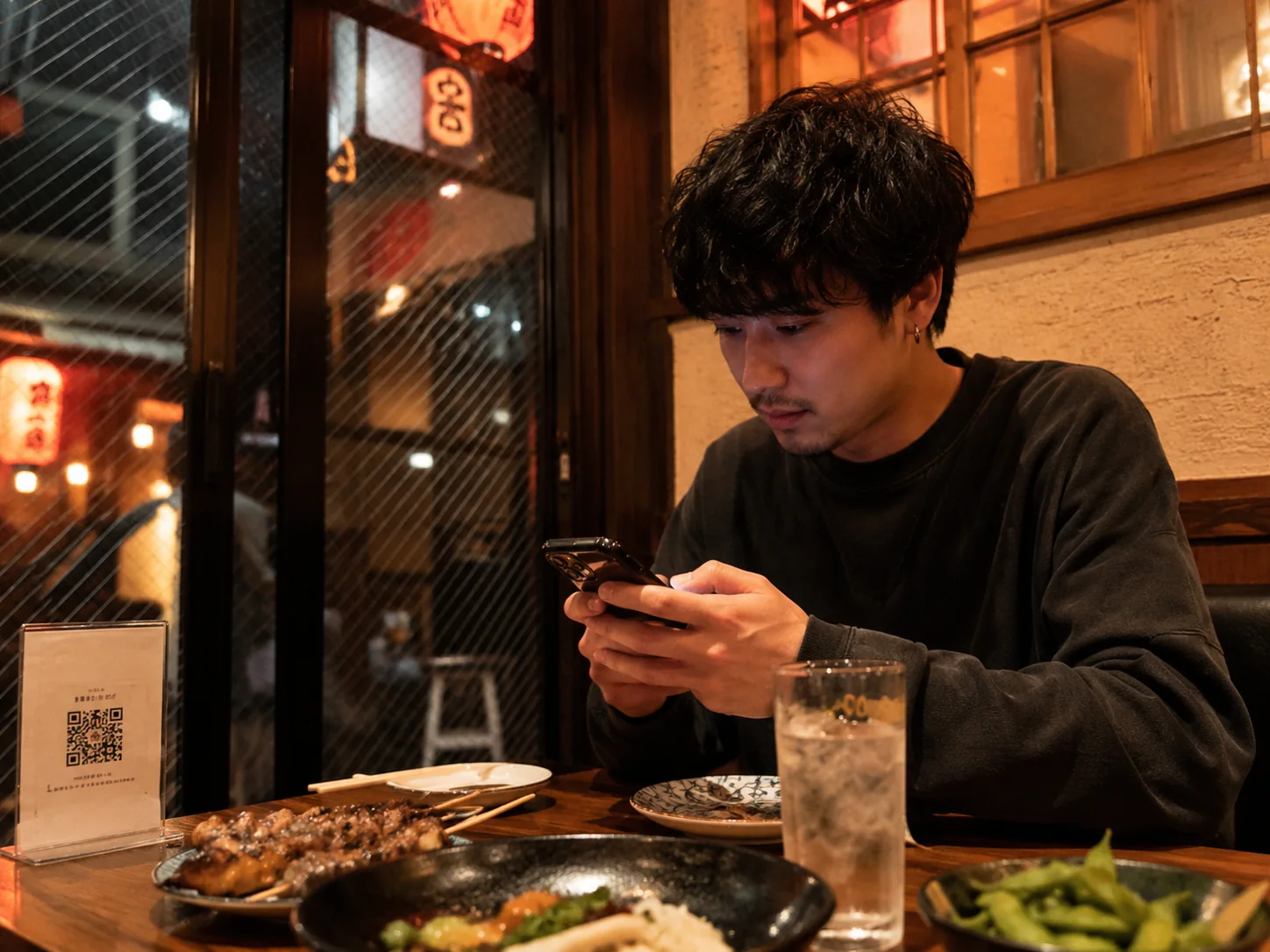
Scan, browse, order and pay. Your team sees the updates.
A table QR can open the mobile menu, keep the table attached to the order, support service requests and continue into checkout.
Service staff and kitchen receive the next action in role-focused views, while the restaurant controls menus, availability, service and payment options.
See what happens, who handles it and when it is done.
A guest scans, reception seats, a waiter opens an order or a manager changes a table.
Table, guest, order, timing, notes and permissions stay with the action.
Service staff sees service work, kitchen sees preparation work and managers see exceptions.
Ready status, handoff and checkout continue from the same context, including three split-bill methods.
Revenue, guests, average check, table turnover, sales timing and profitability feed reporting and AI-assisted questions.
Orders and handoffs stay visible until completion.
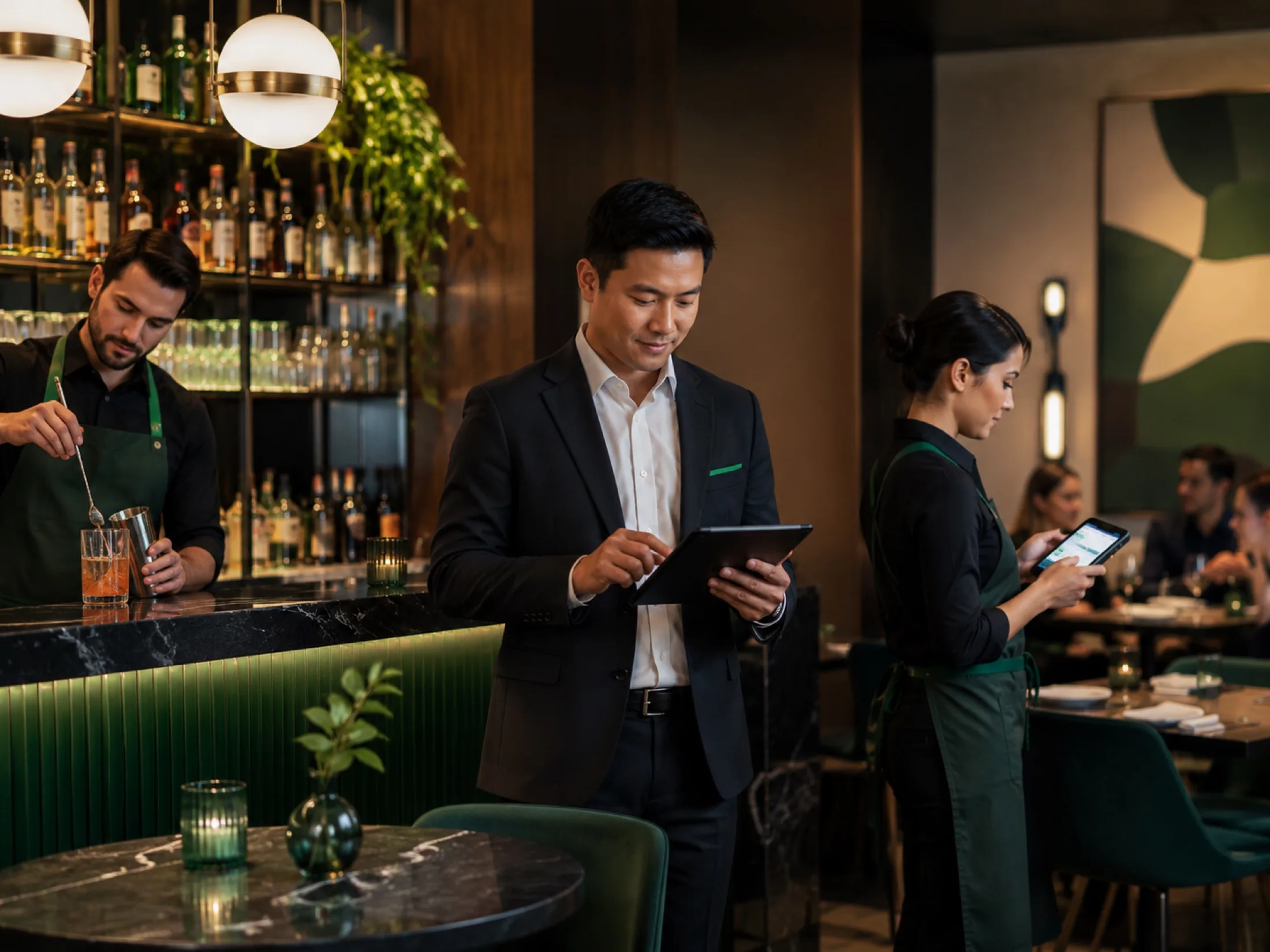
Owners, managers, service staff, kitchen, reservations and finance use focused views while the underlying restaurant context remains shared.
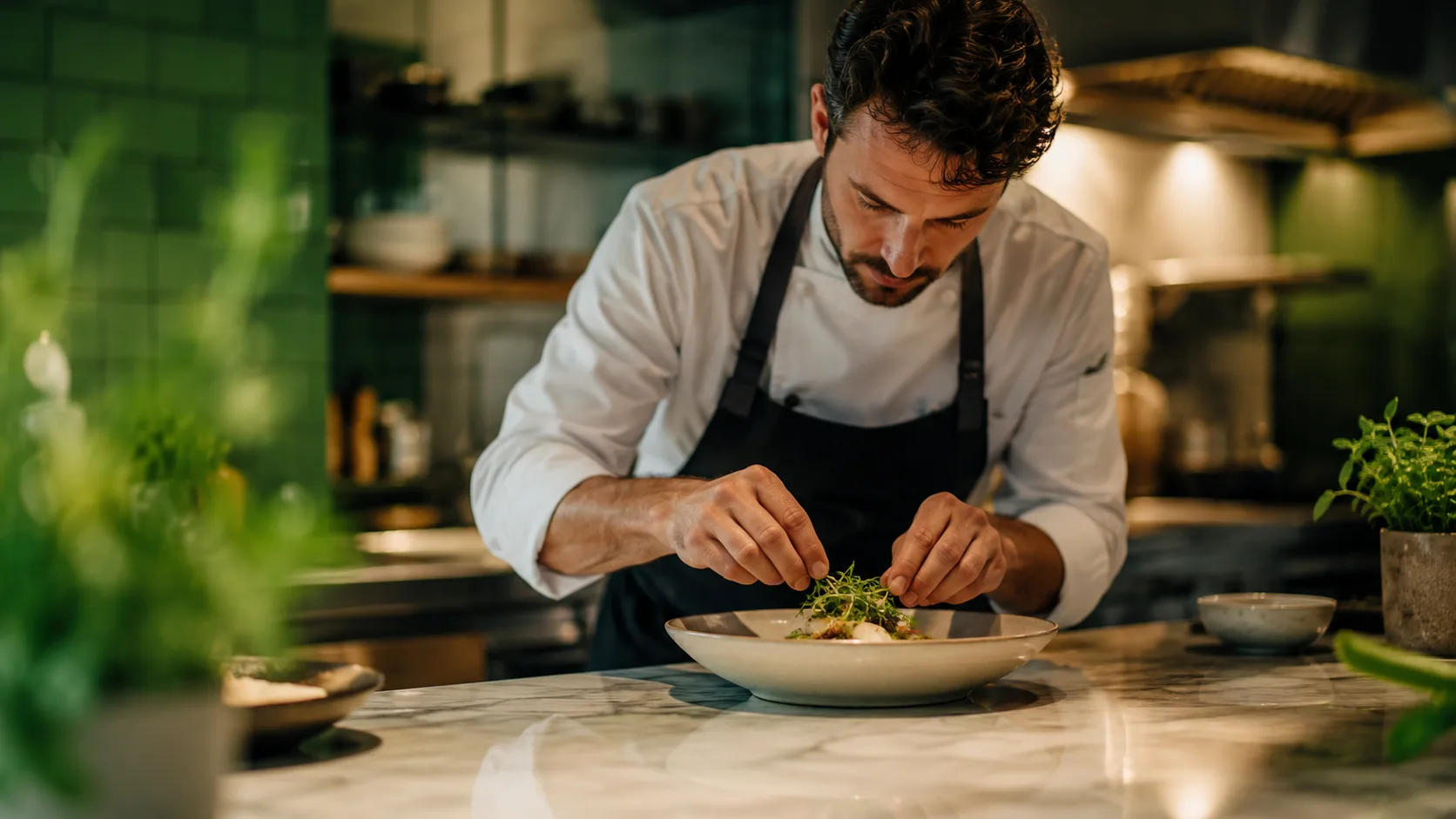
The kitchen can focus on preparation while service staff and managers see the status needed for the next handoff.
Show us a typical order or payment. We will map the steps.