 PayMyDine
01
Action starts
A guest scans a table QR, reception seats a booking, service staff opens an order or a manager changes a table.
Connect reservations, orders, payments, teams and reporting. Give each role a clear view.

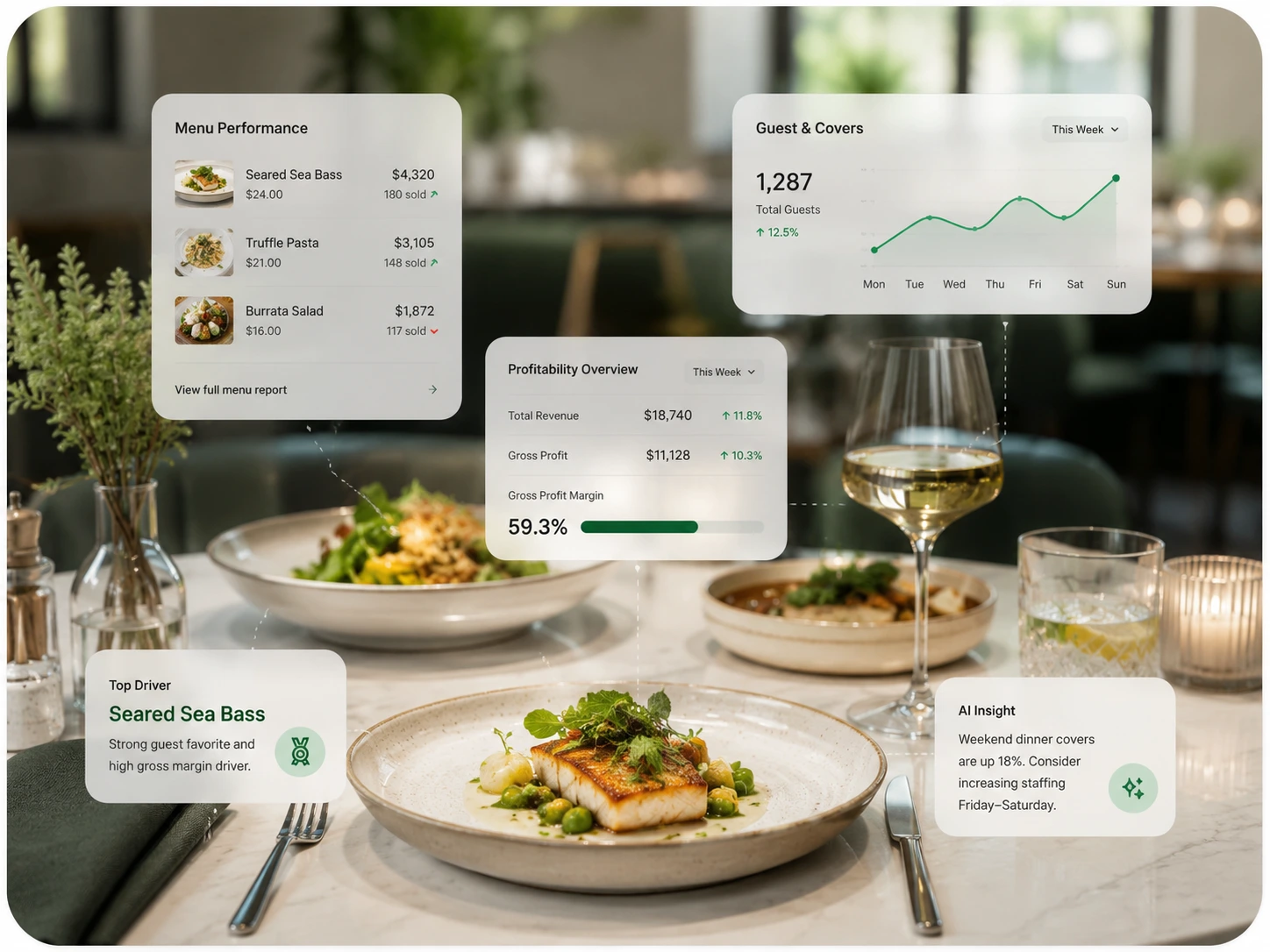
Ask about sales, spot unusual changes and review forecasts with AI.
See the workflow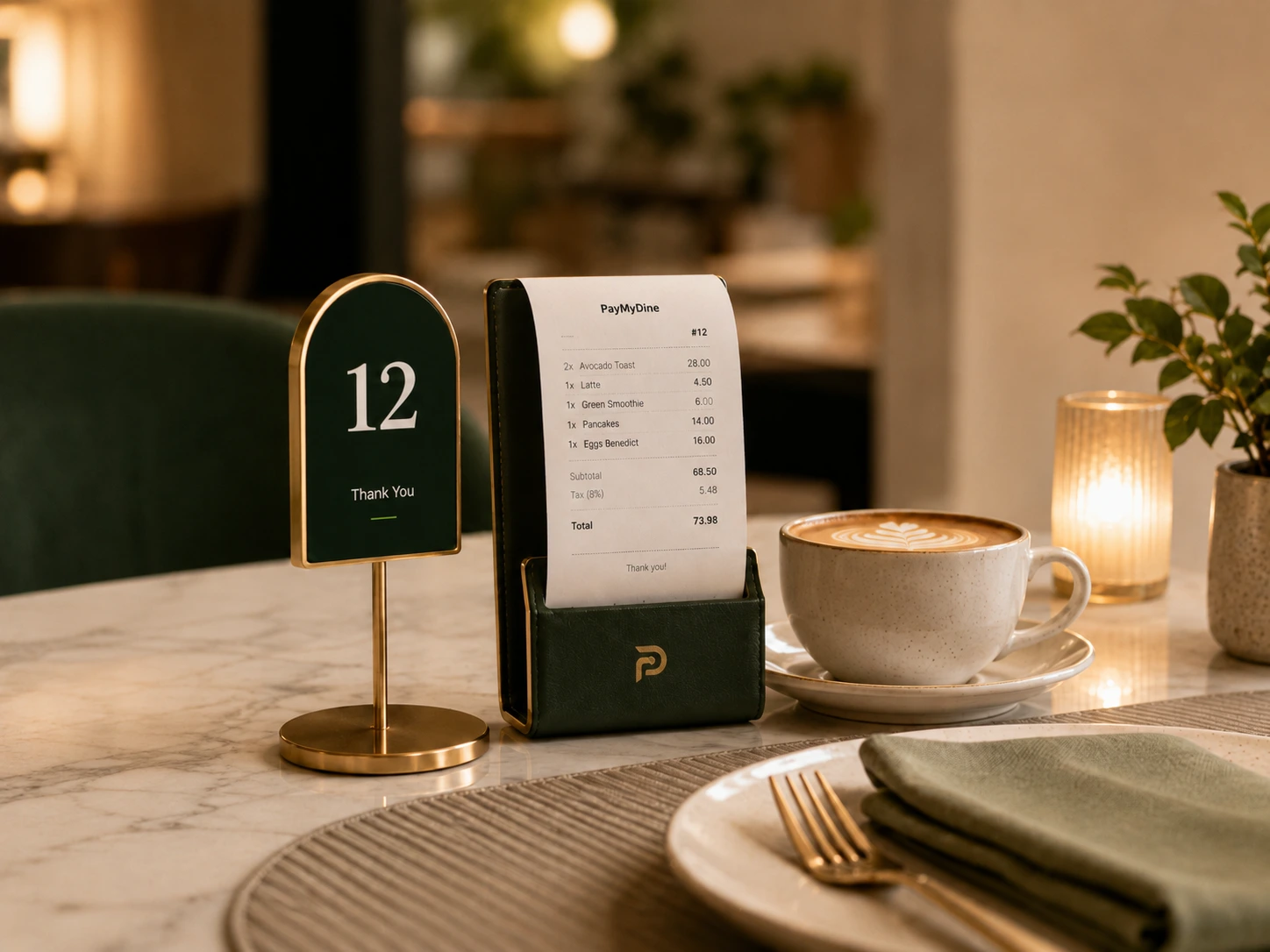
See live tables, orders and service status in one place.
See the workflow
Manage bookings, walk-ins, availability and table assignments.
See the workflow
Connect orders, kitchen tickets and menu availability.
See the workflow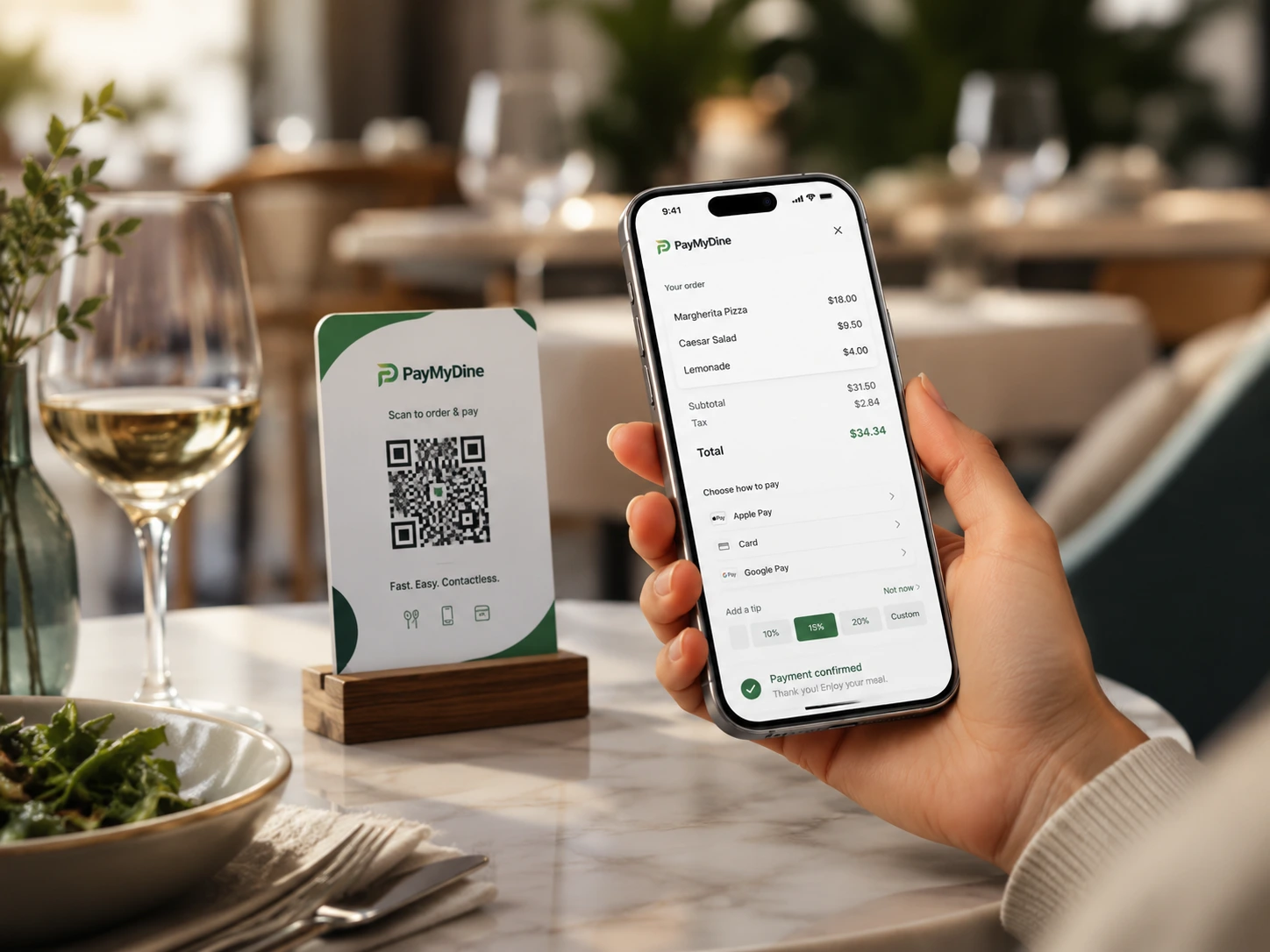
Let guests order, pay at the table and split bills three ways.
See the workflow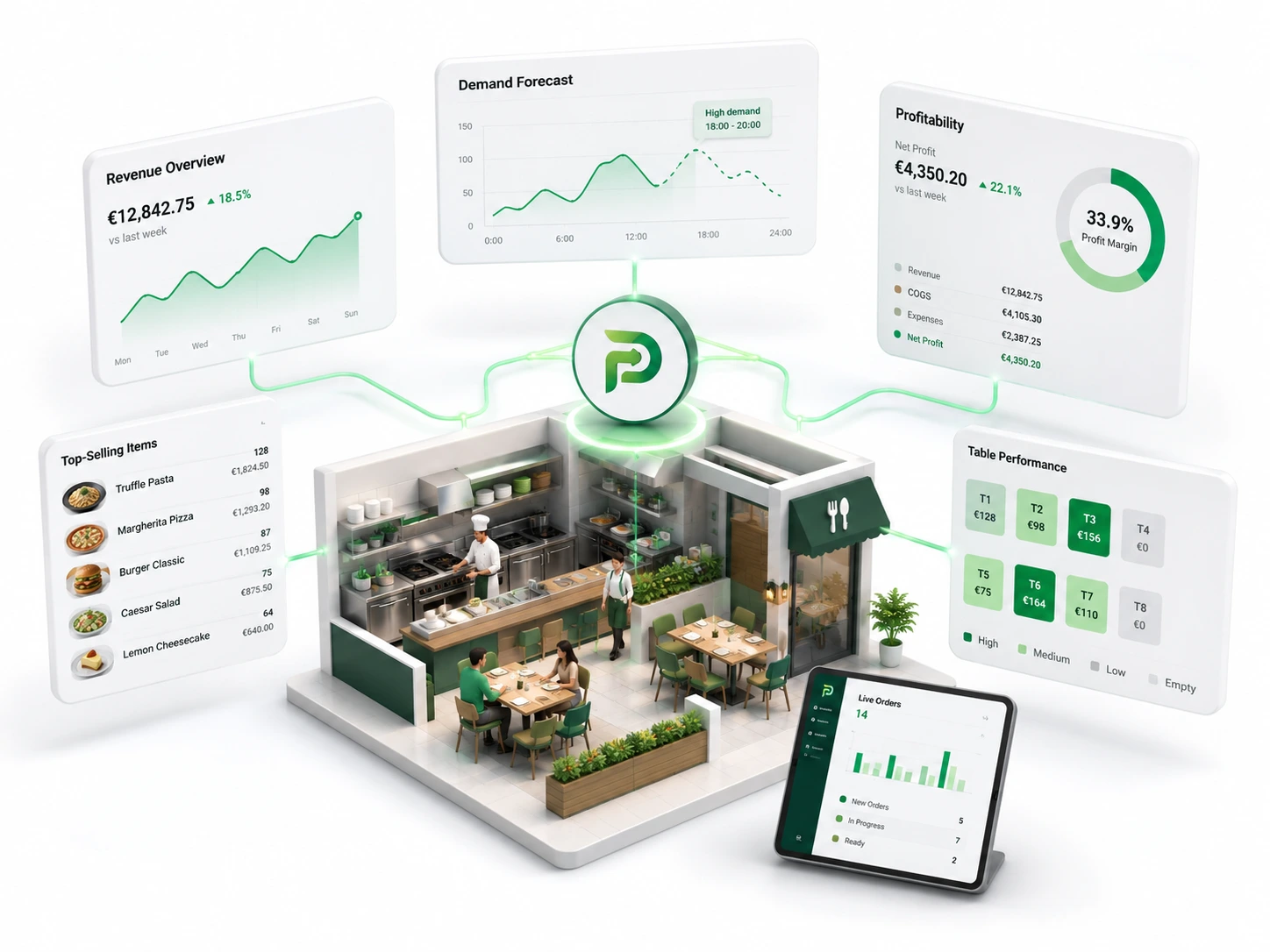
Track sales, guest demand, table turnover and profitability.
See the workflow
Manage staff roles, permissions, shifts and activity.
See the workflow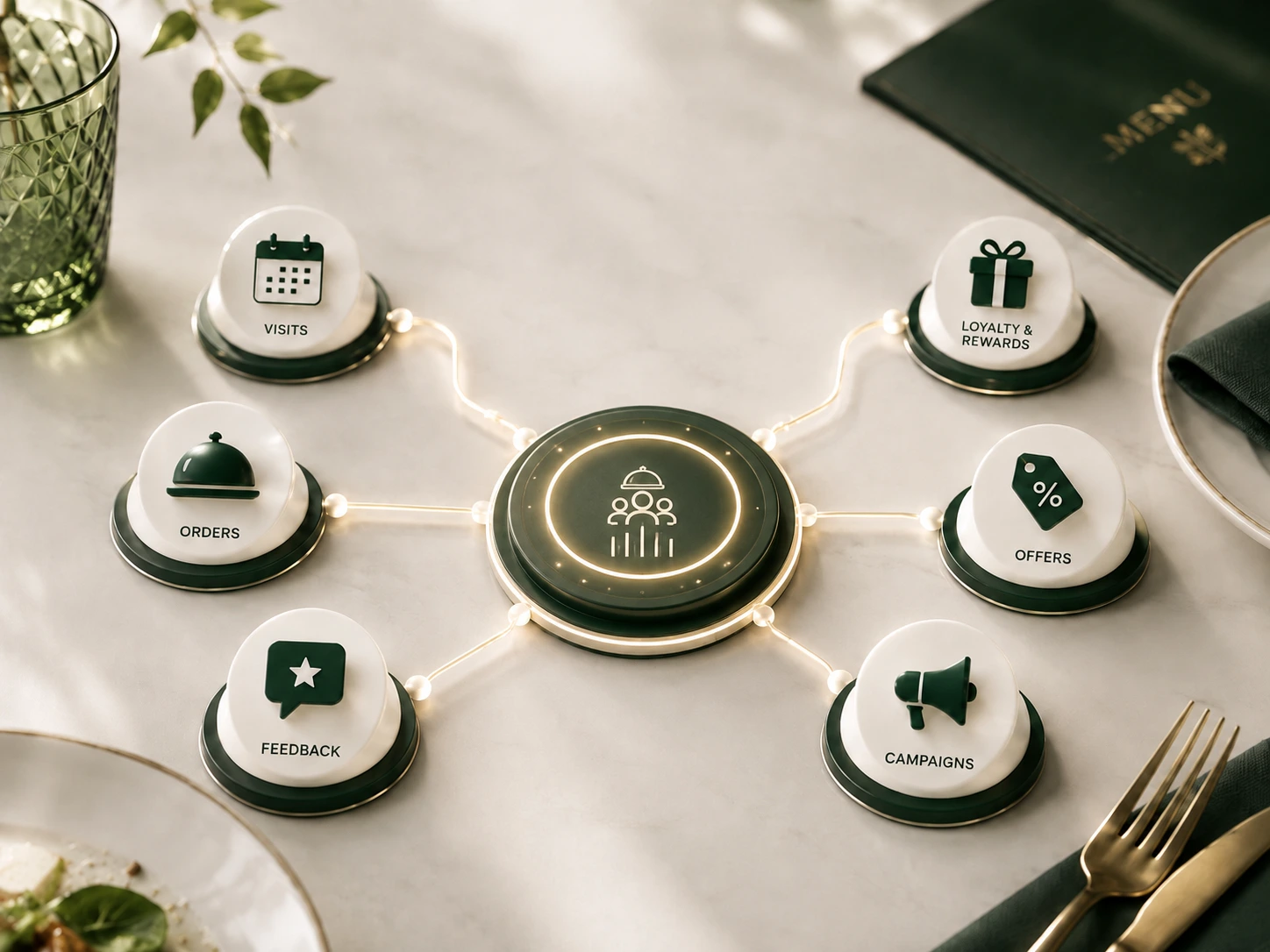
Build guest profiles, loyalty offers and relevant campaigns.
See the workflow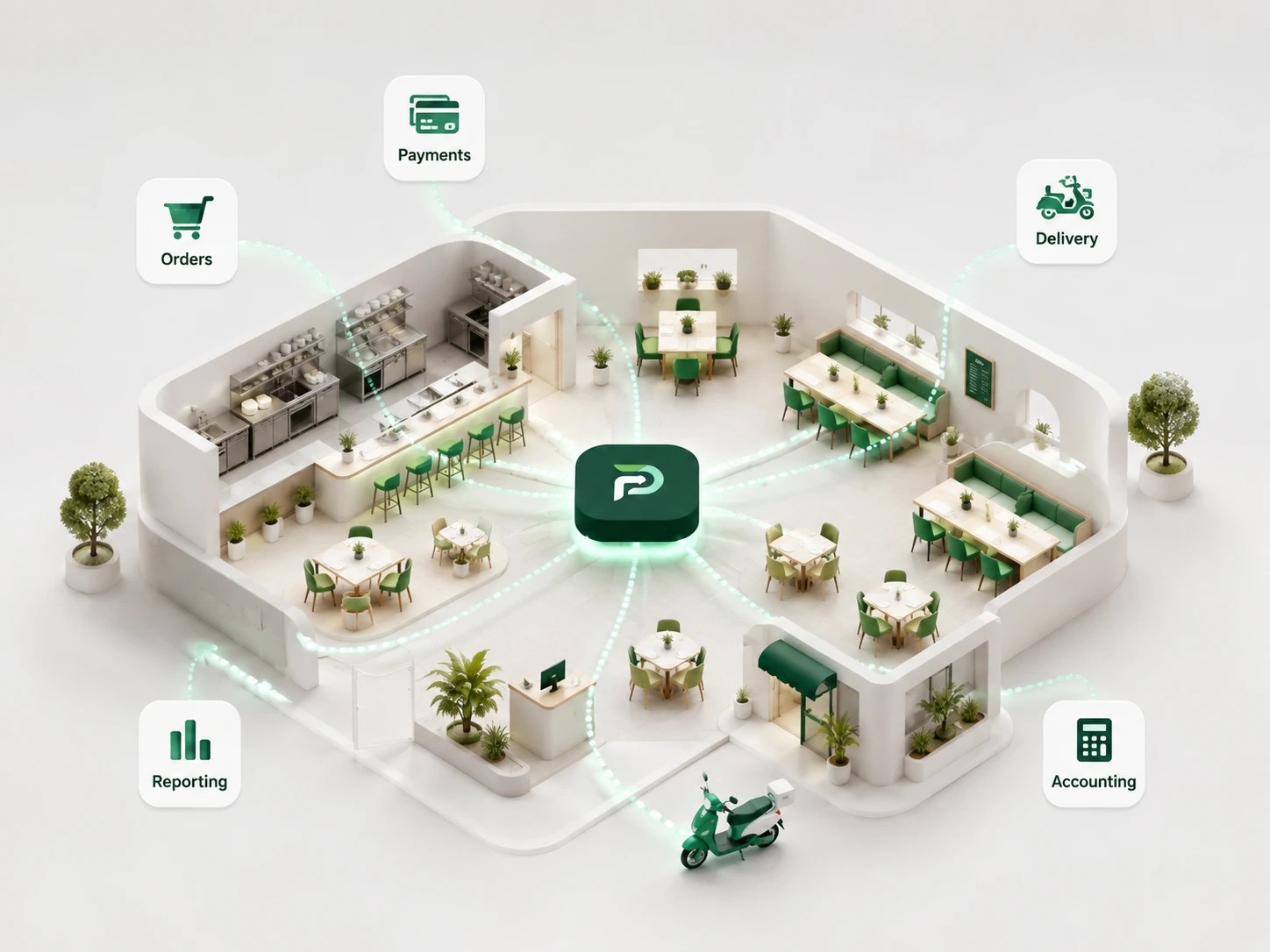
Connect supported POS, payments and delivery data with reporting.
See the workflowGuest actions, kitchen updates and payments stay linked. Teams see the next task; AI helps review the results.

A guest scans a table QR, reception seats a booking, service staff opens an order or a manager changes a table.
Table, guest, order, timing, notes and permissions travel with the action instead of being entered again.
Service staff sees service work, kitchen sees preparation work and managers see exceptions and live status.
Preparation, ready status, handoff and payment continue from the same restaurant context, including three bill-split methods.
Revenue, guests, average check, table turnover, sales timing, payment mix, forecasts and profitability become available for reporting, comparisons, anomaly review and AI-assisted questions.

Service, kitchen and reception see their work. Managers see exceptions.

Review sales, demand and profitability. Use AI to investigate changes.
Staff handle their work. Managers see the full picture and can investigate changes with AI.

Compare periods and explore changes by location, channel or item.
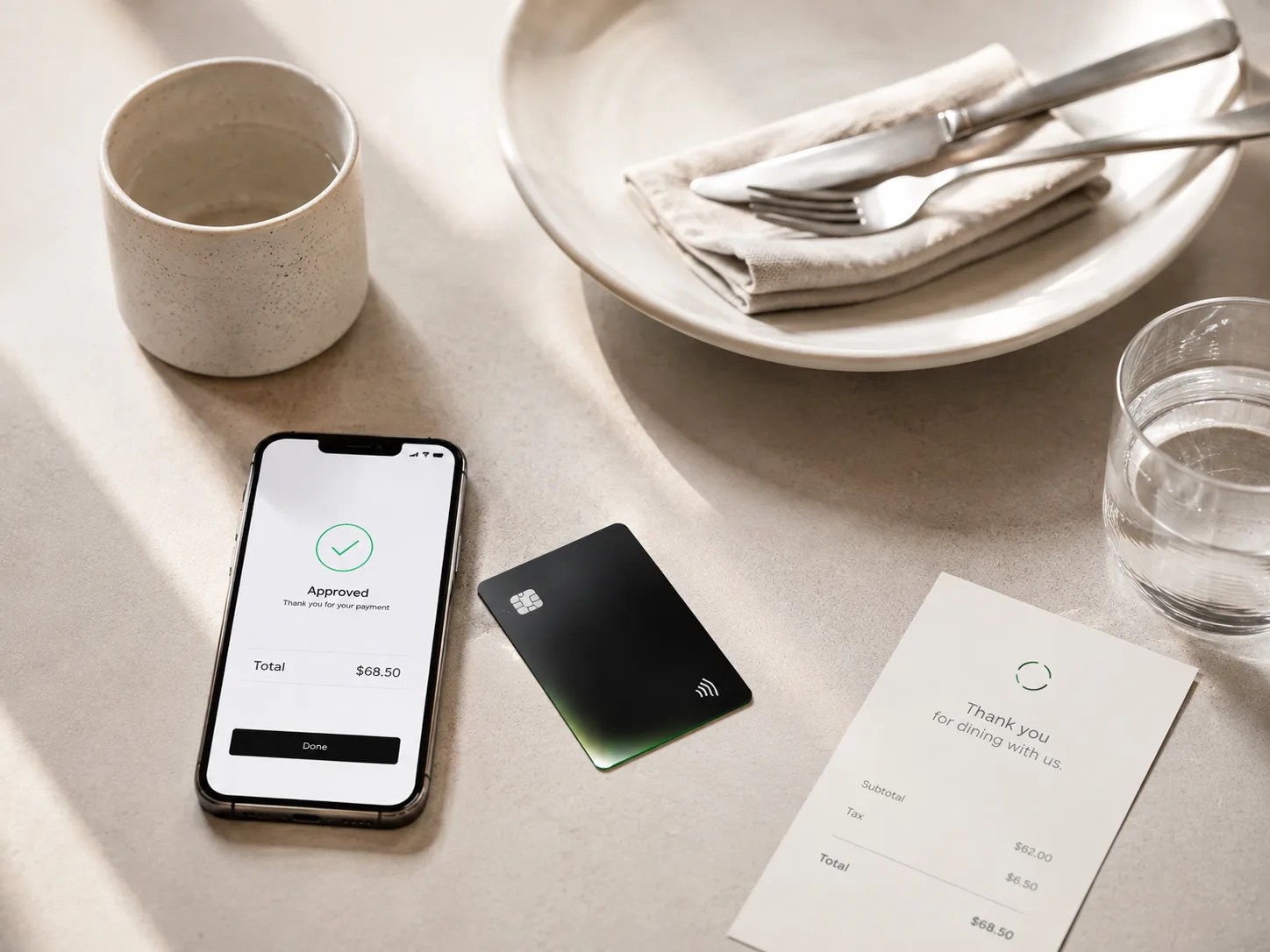
One QR journey links the table, order and payment for guests and staff.
See which modules fit your current tools and team.